


Local SEO has no fixed timeline, and anyone who promises a date is guessing. Google says some changes show up in a few hours and others take several months, and it suggests waiting a few weeks before you judge a change. Profile fixes and new pages can be picked up within days or weeks. Rankings that depend on reviews and links build over months.
Last checked against Google Search Central and Business Profile Help: 30 Oct 2026.
What Google says about timing
Google’s SEO starter guide answers this question directly: “Some changes might take effect in a few hours, others could take several months.” It adds that you’ll “likely want to wait a few weeks” to see whether your work helped, and that not every change makes a noticeable difference.
That is the only timeline Google publishes. The “3 to 6 months” figure you’ll see on many agency sites isn’t a Google number. Treat it as one company’s experience, not a rule.
What you can do is split local SEO into stages. Some steps have clear, published waiting times. Others depend on how fast you earn reviews and links, and on how strong the other businesses in your area are.
First days: verification and profile fixes
Your Business Profile is usually the fastest part. Google’s verification help page says:
- verification reviews take up to 5 business days, and on rare occasions longer
- if you verify by postcard, most codes arrive within 14 days
- codes expire after 30 days, so use them when they arrive
Google’s local ranking help page says verified businesses are more likely to show up, and that complete, accurate details help too. So fixing a wrong category, missing hours or an old phone number is quick work that can matter. If your profile isn’t appearing at all, start with our guide to why a business isn’t showing on Google Maps.
First weeks: crawling and indexing new pages
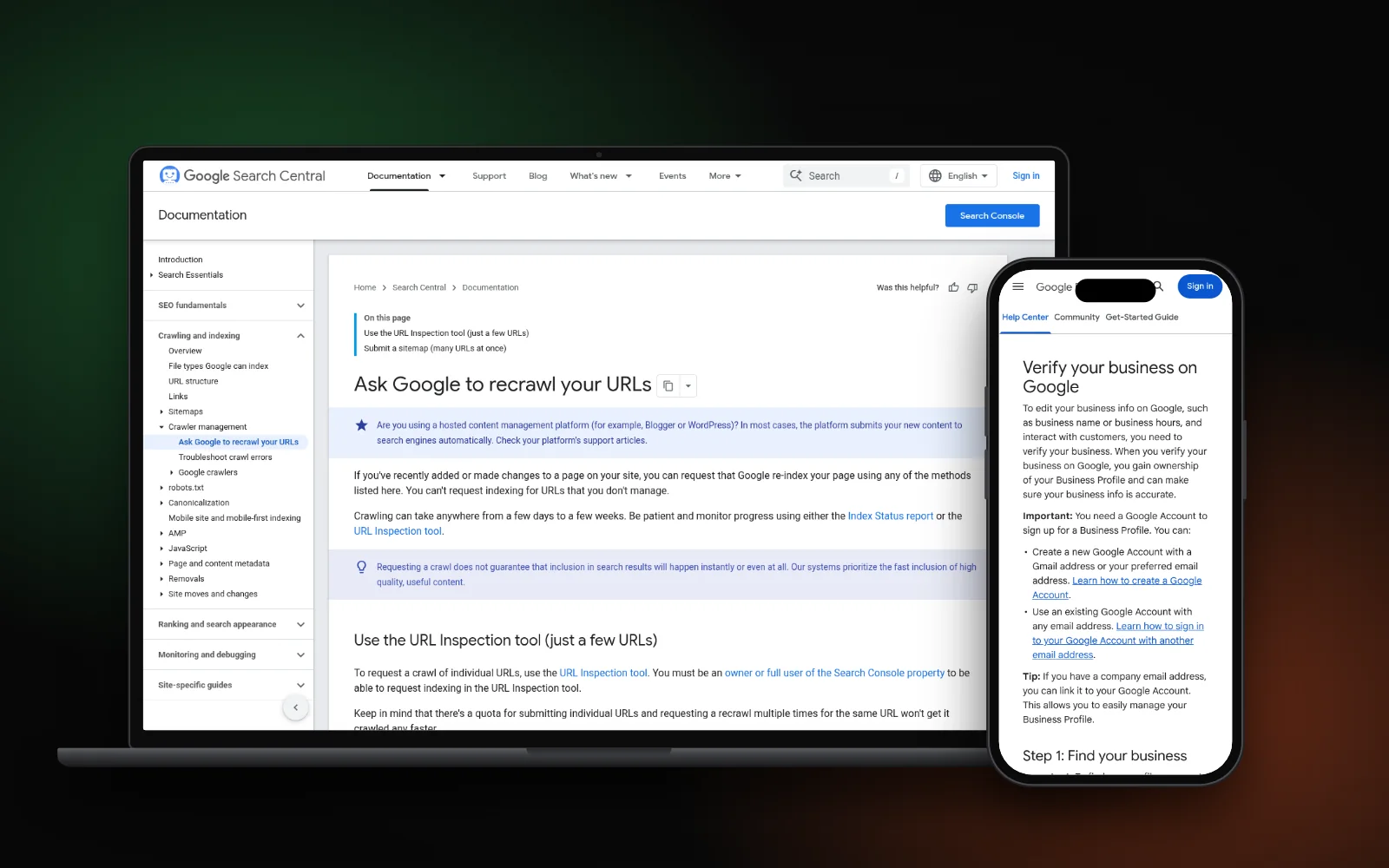
New service pages, location pages and blog posts have to be found before they can rank. Google’s page on asking Google to recrawl your URLs says “crawling can take anywhere from a few days to a few weeks.”
It also warns that requesting a crawl doesn’t guarantee a page will be included “instantly or even at all,” and that asking again for the same URL won’t speed it up. A sitemap helps, especially for a site that has just launched.
Once a page is indexed, it can start collecting impressions in Search Console. Our guide to “Crawled – currently not indexed” covers what to do if a page gets stuck.
First months: reviews and links build up
Google says local results are mainly based on relevance, distance and how well known a business is, which it calls prominence. Prominence is based partly on how many websites link to you and how many reviews you have.
That is the slow part, because you can’t rush it honestly:
- Reviews come in as fast as you serve customers and ask them.
- Links and mentions come from local press, suppliers, associations and genuinely useful pages.
- Distance doesn’t change at all. You can’t move closer to every searcher.
Google also says there’s no way to request or pay for a better local ranking. Our local SEO checklist lists the work that builds prominence in the right order.
What makes local SEO take longer
The same work moves at different speeds for different businesses. Common reasons it takes longer:
- A brand-new website. Google has to discover it first, and it has no links or history yet.
- A suspended or duplicate profile. Fixing it comes before any ranking work.
- Thin pages. One page that mentions every service gives Google little to match.
- Strong competitors nearby. If rivals have years of reviews and links, closing the gap takes longer.
- Changes made all at once and then stopped. Reviews and links need steady effort.
How to tell if local SEO is working
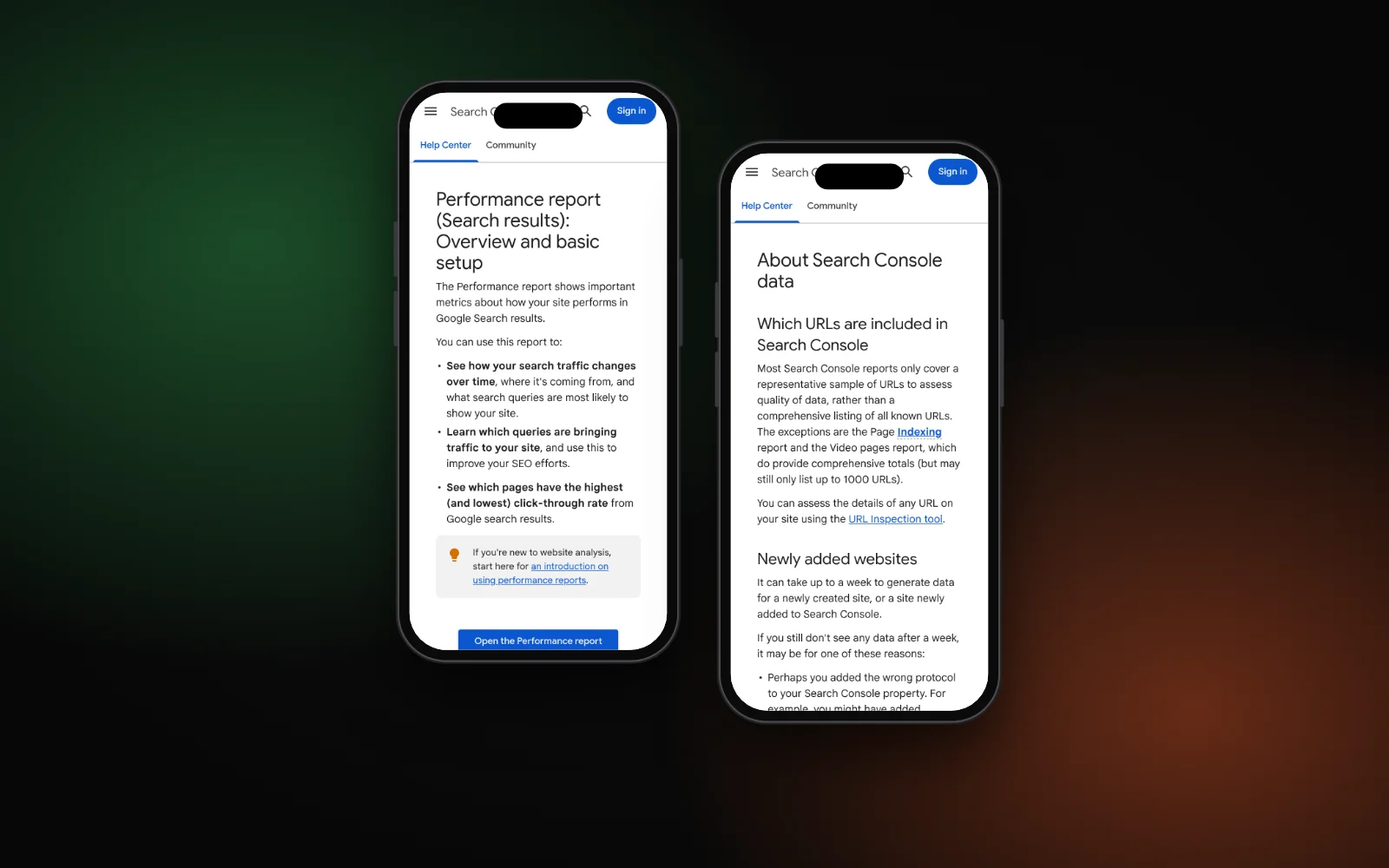
Rankings are the last thing to move, so watch the earlier signs. Google’s Performance report shows clicks, impressions and average position, with three months of data by default. Check them in this order:
- Impressions for the searches and pages you care about
- Average position for those searches
- Clicks, then calls and bookings from your Business Profile
Search Console data isn’t live. Google’s notes on Search Console data say collected data “should be available in 2-3 days,” so don’t judge yesterday’s change today.
Be wary of guaranteed timelines
Google’s page Do you need an SEO? is blunt: “No one can guarantee a #1 ranking on Google.” It suggests asking any SEO what results they expect, in what timeframe, and how they measure success.
A good answer explains the stages and what will be tracked. A bad answer promises the top spot by a set date. Before you hire, our guides to local SEO costs and whether SEO is worth it for a small business will help you judge the offer.
What to do this week
Fix and verify your Business Profile, publish or improve the one page you most need, and start asking every customer for a review. Then note today’s impressions in Search Console and check again in a few weeks, as Google suggests.
Want a clear plan for your business? Start with the free Search Gap check to see where you show up on Google, Maps and AI answers, or see our local SEO service. We typically reply within 1–2 business days.